Navigating Electrical Services and Contractor Standards Across Missouri
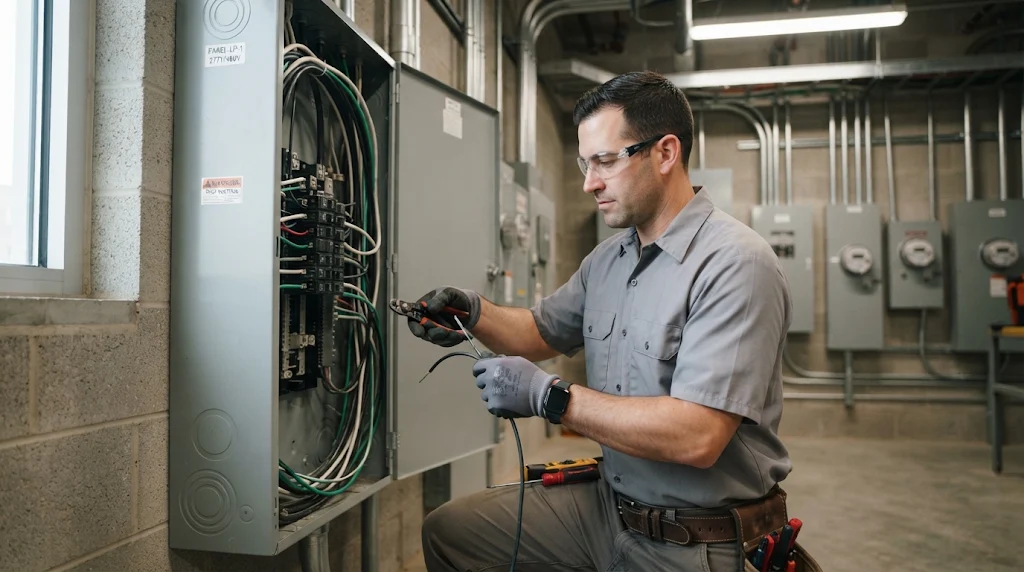
Maintaining the electrical integrity of residential and commercial properties throughout Missouri requires understanding the state's diverse geographic, climatic, and architectural conditions. From the historic riverfront properties of St. Charles and St. Joseph to the booming master-planned suburbs of O'Fallon, Wentzville, and Lee's Summit, electrical systems face unique environmental stresses. Severe weather patterns—including high-wind summer thunderstorms, intense humidity, and winter ice storms—place continuous strain on overhead service entrance lines, outdoor meter sockets, and whole-building surge protection.
Understanding Missouri Electrical Licensing and Permitting Nuances
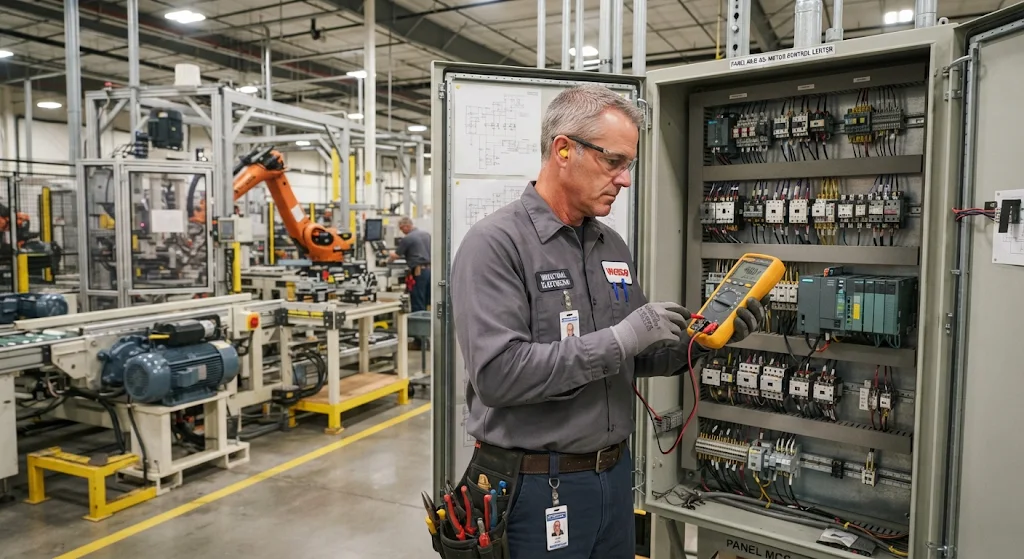
In Missouri, electrical contractor licensing and building safety codes operate under a localized jurisdictional framework. While statewide contractor licensing standards exist through the Missouri Division of Professional Registration, individual municipalities and counties enforce their own specific building codes, licensing registries, and permit application requirements. For instance, electrical installations in St. Louis County or the City of Florissant require county-level trade qualifications and specialized municipal plan reviews, whereas projects in Jackson County (such as Blue Springs and Lee's Summit) or St. Charles County adhere to separate municipal building authorities.
Because municipal requirements differ, property owners should never assume that electrical work exempt from permits in one community is treated the same across city borders. Reputable independent electrical contractors verify local codes, calculate electrical load requirements under the National Electrical Code (NEC), and coordinate required municipal inspections before closing walls or re-energizing upgraded panels.
Regional Grid Reliability and Electrical Modernization
Electrical power distribution across Missouri is managed by investor-owned utilities—most notably Ameren Missouri in eastern and central regions, and Evergy in western territories—alongside consumer-owned electric cooperatives like Cuivre River Electric Cooperative in suburban and rural corridors. During seasonal peak demand periods, such as sweltering July heat waves or sub-zero winter arctic blasts, regional power grids experience substantial inductive strain.
Modern Missouri households consume considerably more electrical power than the homes of previous generations. The adoption of high-efficiency heat pumps, modern induction cooktops, dual electric vehicle chargers, and central air conditioning compressors frequently overwhelms vintage 100-amp electrical panels. Upgrading to a 200-amp or 400-amp modern circuit breaker system equipped with dual grounding rods, whole-home surge protective devices (SPDs), and AFCI/GFCI protection represents a fundamental safety modernization for property longevity.
Commercial and Industrial Power Demands Across the State
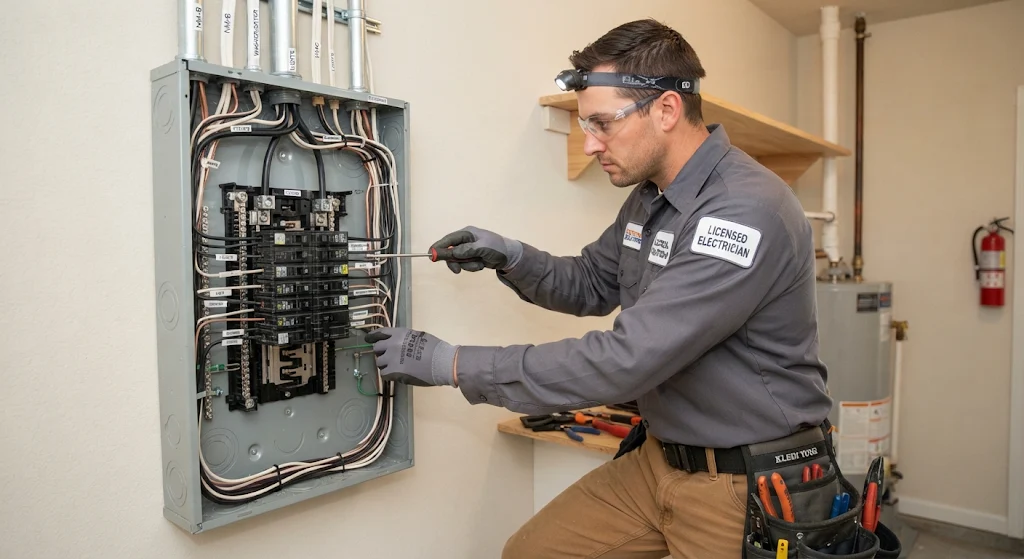
Missouri's central geographic location has established it as a national hub for automotive assembly, advanced manufacturing, agricultural processing, and e-commerce distribution logistics. The I-70 and I-44 freight corridors host major industrial and commercial installations requiring three-phase power drops, motor control centers (MCC), variable frequency drives (VFD), and emergency backup systems. Independent commercial electrical contractors affiliated with the WATT911 network possess the diagnostic tooling and industrial code certifications required to keep commercial operations running safely with minimal downtime.
The WATT911 Network Philosophy
WATT911 was built to offer clarity in an often confusing trade services market. By operating as a transparent nationwide lead-generation network, we help Missouri residents and business owners connect directly with independent local electrical contractors. We do not perform electrical work ourselves or dictate contractor rates; instead, we provide transparent information, educational guidance, and a dependable connection pathway so you can hire the right qualified trade professional for your specific electrical needs.